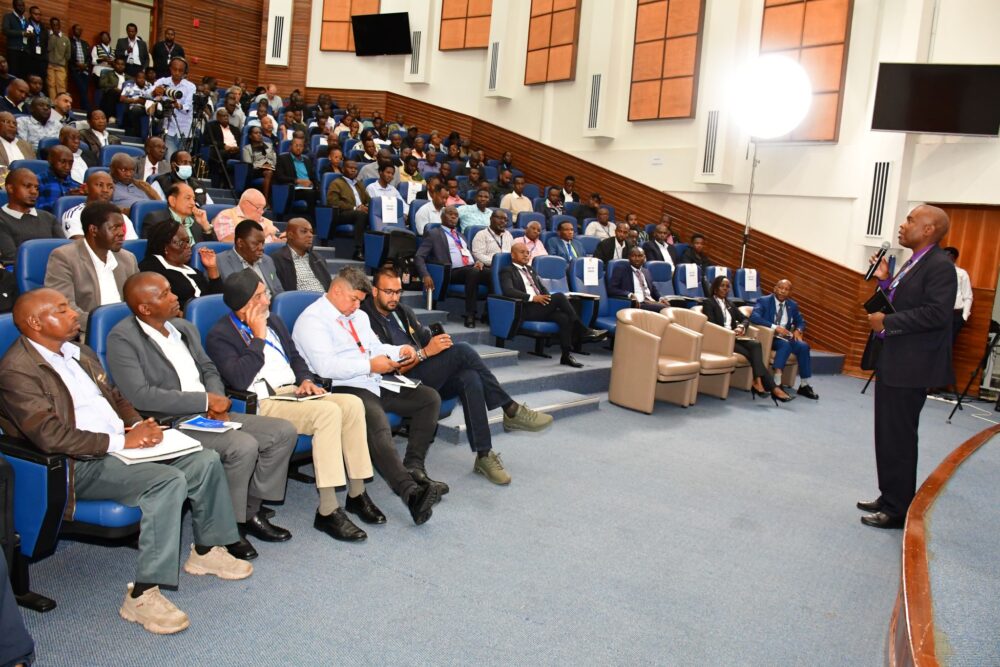
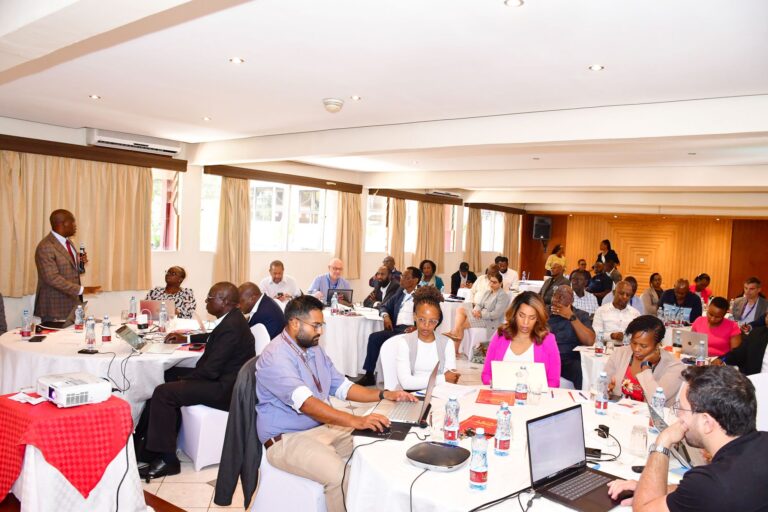
Today marked a pivotal moment for Kenya’s aviation sector as the Kenya Civil Aviation Authority (KCAA) convened a stakeholder engagement to review and finalize steps toward implementing the new Aircraft Maintenance Personnel (AMP) licensing system, scheduled to take effect on April 1, 2025.
This engagement represents more than just a regulatory update—it is a milestone in aligning Kenya’s aviation maintenance standards with global best practices, while addressing the evolving technical demands of the industry.
The Kenya Association of Air Operators (KAAO) is proud to have been at the forefront of this process. Following the submission of our detailed White Paper on January 19, 2024, and through ongoing consultations with KCAA, we have actively contributed to shaping a licensing framework that is both robust and internationally aligned.
A key focus of our contribution has been the refinement of the Aircraft Maintenance Engineers Licensing (AMEL) framework, particularly the categories B1 (mechanical) and B2 (avionics). These license categories are essential to ensuring that aircraft maintenance personnel are trained, certified, and regulated in accordance with the standards required for modern, complex aircraft systems. The improvements proposed—and now being adopted—aim to simplify the licensing structure, clarify pathways to certification, and enhance the recognition of Kenyan engineers in global aviation markets.
We extend our appreciation to KCAA for its leadership in advancing this reform and for maintaining a collaborative and transparent dialogue throughout the process. The success of today’s engagement reflects the value of partnership between the regulator and the industry—a shared vision grounded in professionalism, safety, and progress.
Special recognition goes to Mr. Mandeep Osahan, a member of the KAAO Board of Directors, for his instrumental role in technical review and stakeholder representation throughout the reform process. We are also grateful to the broader KAAO Board, the Secretariat, and our member representatives who have contributed their time, expertise, and perspectives.
This new licensing system marks not just a regulatory milestone, but a major step toward building a stronger aviation maintenance workforce in Kenya—one that is future-ready, internationally competitive, and aligned with ICAO standards.
As implementation nears, KAAO remains committed to supporting a smooth transition. We will continue working closely with KCAA and other partners to ensure industry readiness through awareness, training, and shared resources.
Together, we are laying the foundation for a more efficient, standardized, and globally respected aviation maintenance ecosystem in Kenya. This progress underscores our shared commitment to excellence in aviation safety and operational integrity.